
Residential Flea & Tick Care
Simply Green treats the shaded grass, shrubs, yard edges, pet areas, and other places fleas and ticks are likely to gather, with three treatments scheduled from April through September.
Your Flea & Tick Treatment
Every yard is different. Before treatment, we look at where your family spends time, where your pets regularly walk or rest, and which parts of the yard may give fleas and ticks a place to stay.
The process starts with the areas your family and pets use most. This may include the lawn, patios, play areas, shrubs, yard edges, and the places where your pets regularly walk or rest.
We look beneath shrubs, around groundcover, beside fences, near leaf litter, and in other cool, shaded parts of the yard. If thick plants, leaves, or yard debris are creating additional hiding places, we can point them out so you know what to watch between treatments.
Treatment is based on the layout and conditions of your yard. An open, sunny lawn may need different attention from a property with wooded edges, dense shrubs, or pets that follow the same route every day.
The first treatment is scheduled in April as Atlanta temperatures begin to rise and flea and tick activity becomes more of a concern.
Simply Green returns in June for the second treatment and in August for the third treatment. These scheduled visits help maintain protection during the warmer months when your family and pets are spending more time outside.
If you continue finding fleas or ticks after treatment, let us know where you are seeing them. We can look at what is happening in the yard and help determine whether another source of exposure may be involved.
A Complete Yard Strategy
Flea and tick control works best when the yard is treated as one part of a broader protection plan. Simply Green focuses on three practical areas that address outdoor activity while making it easier to recognize when another source may be involved.
Treatment is directed toward shaded grass, shrubs, groundcover, yard edges, leaf litter, pet routes, play areas, and other suitable locations where fleas and ticks are more likely to remain. Open lawn is not treated as though every square foot has the same level of activity.
The program includes scheduled treatments in April, June, and August. Returning during the warmer part of the year gives the yard more than a single reactive visit as pet activity, wildlife, plant growth, and yard conditions change.
Outdoor treatment does not replace flea and tick prevention for pets, and it does not remove fleas that are already established inside the home. Your veterinarian can recommend pet protection, while indoor flea problems may require an indoor pest professional.
What the Program Helps You Do
A seasonal yard program gives homeowners a clearer plan for the outdoor part of flea and tick management. The service focuses attention where activity is more likely instead of treating the yard as though every area presents the same concern.
Pet routes, play areas, patios, shaded borders, shrubs, and other frequently used parts of the property can receive closer attention based on the layout of the yard and where activity has been noticed.
The technician can point out leaf litter, thick growth, shaded edges, and other conditions worth maintaining between visits. This gives the homeowner practical steps to support the treatment program.
Scheduled visits in April, June, and August provide a defined treatment plan during Atlanta’s warmer months rather than waiting until activity is noticed again before deciding what to do next.
If activity continues, reporting where and when fleas or ticks are being found gives Simply Green useful information for checking yard conditions and considering whether exposure may be coming from outside the treated property.
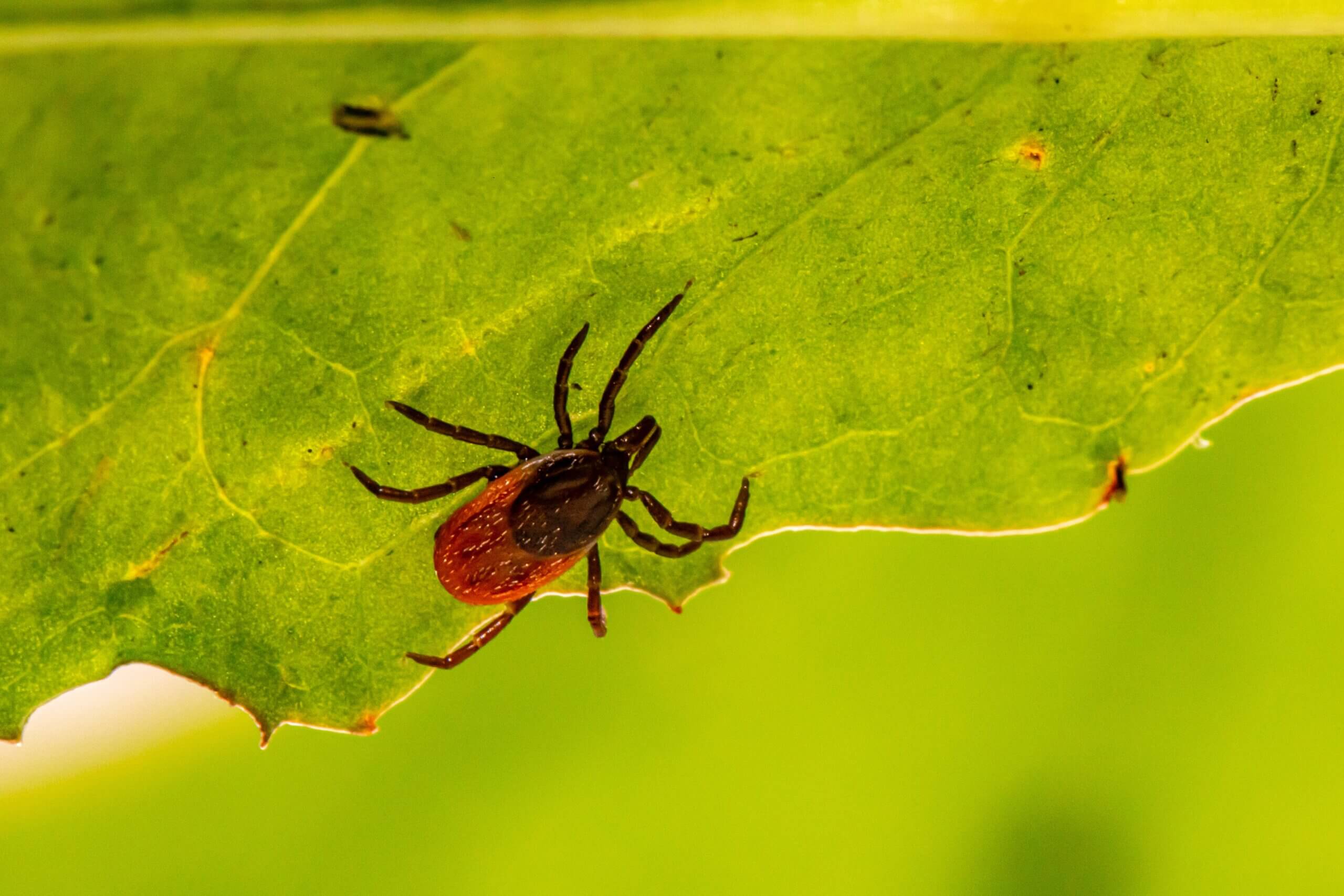
A few simple steps after service help protect the treated areas and make it easier to spot continued flea or tick activity.
Keep people and pets away from treated areas until the application has dried and the provided return instructions have been followed.
You may need to wait before mowing freshly treated areas. Follow the instructions provided after service so the treatment has time to settle.
Keep checking your pets for fleas and ticks, particularly after they have spent time away from your yard. Your veterinarian can also recommend ongoing protection for your pet.
If you continue finding fleas or ticks, let us know where and when you are noticing them. That information can help us look at conditions in the yard and consider whether exposure may be happening somewhere else.
Know the Seasonal Schedule
Simply Green uses a three-treatment schedule rather than waiting for one visible flea or tick to trigger every service decision. The program is scheduled in April, June, and August during the warmer part of the year.
Program Point | Timing | What It Means for the Yard |
First treatment | April | The seasonal program begins as Atlanta temperatures rise and flea and tick activity becomes more of a concern. |
Second treatment | June | Simply Green returns for the second scheduled treatment and focuses on suitable flea and tick areas based on current yard conditions. |
Third treatment | August | A third scheduled treatment continues the warm-season program later in the year. |
Between visits | Ongoing | Maintain shaded and pet-use areas, continue checking pets, and report where and when activity is being found. |
Atlanta yards can change during the warm season. Dense shrubs grow, leaf litter builds up, pets spend more time outdoors, and wildlife can move through wooded or landscaped edges. Those changes can create new places for fleas and ticks to remain even when the yard is well maintained.
Outdoor exposure can also happen away from home, so continued flea or tick activity does not automatically mean the treated yard is the only source. Where and when activity is found matters when deciding what to check next.
Use the Right Protection for the Right Place
Flea and tick problems can cross between the yard, pets, and the home, but one service does not replace the others. Knowing which layer addresses which part of the problem helps set realistic expectations for yard treatment.
Protection Layer | What It Addresses | What It Does Not Replace |
Simply Green yard treatment | Outdoor areas where fleas and ticks are more likely to remain, including shaded grass, shrubs, yard edges, leaf litter, and pet routes. | Pet protection away from home or treatment for fleas already established indoors. |
Veterinarian-recommended pet protection | Protection that stays with the pet when it visits parks, trails, kennels, neighboring yards, and other places. | Treatment of flea and tick habitat across the yard. |
Indoor pest treatment | Fleas that have already become established in carpets, bedding, furniture, or other indoor areas. | Outdoor yard treatment or protection that travels with the pet. |
Local Lawn Care Experience
Simply Green has cared for Metro Atlanta lawns and landscapes since 2004. Flea and tick control is about more than treating grass. It is about helping your family feel more comfortable using the yard.
The seasonal program includes three treatments from April through September, with treatment focused on the areas fleas and ticks are most likely to use.
Clear aftercare instructions are provided following service, and if activity continues, Simply Green can help determine what may be happening and whether another source of exposure could be involved.
More Care for Your Yard
Fleas and ticks may not be the only pests making it harder to enjoy your yard. Simply Green offers other services that can help with common lawn and outdoor problems.
Fire ant control helps protect your yard from painful fire ant colonies. Mosquito control targets the places mosquitoes breed and hide around your property.
Plant health care supports trees, shrubs, and other landscape plants. Weed control and fertilization help feed your lawn while controlling unwanted weeds. Liquid aeration helps loosen hard soil so grass roots can get the air, water, and nutrients they need
Think Beyond a One-Time Reaction
The value of a seasonal program is not that one treatment permanently removes every possible source of exposure. It is that the yard has a defined treatment schedule, the homeowner has clear maintenance steps, and continued activity can be evaluated with more context.
Ongoing Challenge | Long-Term Value of a Planned Approach |
Yard conditions change through the warm season | Scheduled visits provide opportunities to treat suitable areas as vegetation, shade, pet activity, and other outdoor conditions change. |
Pets and wildlife can introduce new activity | A seasonal yard plan works alongside separate pet protection and regular yard maintenance. |
Activity may not stay in one location | Reporting where and when pests are found makes follow-up more specific instead of assuming the same area is responsible every time. |
Hiding spots can rebuild between visits | Regular leaf removal, mowing, trimming, and pet-area cleanup reduce some of the places fleas and ticks may use between scheduled treatments. |
Common Flea & Tick Questions
Have questions before getting started? Here are a few things Atlanta homeowners often want to know about flea and tick treatment.
Your yard should be a place where your dog can run, your children can play, and your family can spend time outside without fleas and ticks becoming a constant concern.
Simply Green treats the shaded areas, shrubs, yard edges, pet routes, and other places these pests are likely to gather. With three scheduled treatments from April through September, you have a plan in place throughout the warmer months.
If fleas or ticks are making you think twice about using your yard, call us today or request your personalized estimate online. We will look at how your family and pets use the yard and explain the next step.