

Residential Fescue Care
Simply Green core aerates and seeds fescue lawns to open compacted soil, replenish thin or bare areas, and give new grass a better chance to establish after Atlanta’s difficult summer.
Your Lawn Renewal Process
We check the fescue and soil first, core aerate the lawn, spread new seed, and provide the care instructions needed while the new grass develops.
Our lawn care experts assess thin areas, bare patches, hard soil, shade, disease damage, and the amount of healthy fescue remaining.
The soil needs enough moisture for core aeration to work properly. Extremely dry ground can make it difficult for the equipment to pull useful soil plugs.
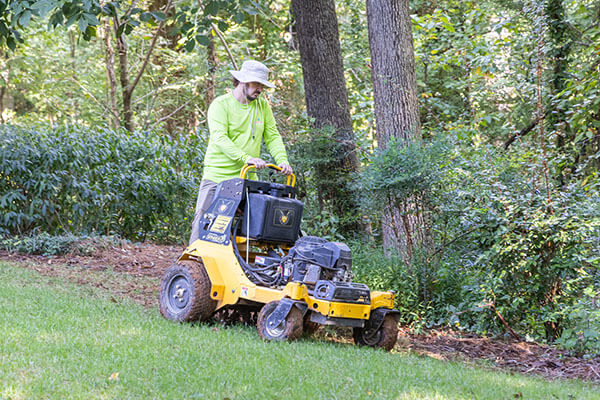
Professional aeration equipment removes small plugs of soil throughout the fescue lawn. The openings loosen hard ground and allow more air, water, and nutrients to move toward the roots.
Aeration creates openings where seed can settle closer to the soil rather than remain on top of thick grass or surface material.
Fresh fescue seed is spread across the prepared lawn, including thin and bare areas. Fescue does not naturally spread to fill every empty patch, so new seed is needed to replace lost grass.
Watering becomes especially important after the seed is applied. Simply Green provides instructions for keeping the seed moist, continuing care after germination, and knowing when the new fescue is ready for its first mow.
Why Aeration and Seeding Work Together
Core aeration and seeding address two different needs at the same time: preparing compacted soil and replacing grass that has been lost. That combination is especially useful when a fescue lawn finishes summer with thin coverage, bare patches, or hard ground.
Core aeration removes small plugs of soil so water, air, and nutrients can move more easily through the root zone. It also creates openings where new seed can settle closer to the soil.
Fescue does not spread across bare areas the same way some warm-season grasses do. Seeding puts new grass into thin and bare sections instead of waiting for existing fescue to fill them on its own.
Seed that sits on top of thick grass or surface material may have less consistent access to moisture. Aeration creates openings that give the seed better contact with the ground during germination.
Simply Green combines the service with preparation, watering, and mowing instructions so homeowners know what the new fescue needs before and after germination.
Know Whether the Lawn Is Ready
Simply Green checks how much healthy fescue remains, whether the soil can be properly aerated, and whether deep shade, drainage problems, unresolved disease, or another condition may keep new seed from establishing.
If an ongoing problem is likely to continue damaging the lawn, that issue may need separate attention rather than expecting new seed alone to correct it.
Know What Happens Next
The service itself happens in one appointment, but successful establishment continues for weeks afterward. The timing below shows the main stages homeowners should plan for.
| Stage | Typical Timing | What Matters Most |
Lawn preparation | Before the appointment | Mow to two inches or lower, collect clippings, remove debris, mark sprinkler heads and invisible fencing, and prepare dry soil as instructed. |
Aeration and seeding | Service day | Core aeration opens the soil and new fescue seed is spread across the prepared lawn. |
Early germination | First 2-3 weeks | Keep the seed consistently moist and avoid allowing the surface to dry out. |
Seedling development | Following 4-6 weeks | Continue keeping young seedlings moist while roots and blades develop; adjust for meaningful rainfall. |
First mow | When seedlings reach at least 3 inches | Use a sharp blade and mow at about 3.5 inches so young grass is not cut too early or too low. |
| Ongoing evaluation | As the lawn fills in | Watch uneven areas and identify shade, drainage, disease, or other conditions if sections continue to struggle. |
Why Seeding Alone Is Different
Adding seed and preparing the soil are not the same thing. When hard soil or poor seed contact is part of the problem, combining aeration with seeding gives the new seed a more suitable place to establish.
Consideration | Core Aeration + Seeding | Seed Spread Without Aeration |
Compacted soil | Removes small plugs and opens the root zone before seed is spread. | Does not address hard soil beneath the lawn. |
Seed-to-soil contact | Creates openings where seed can settle closer to the ground. | More seed may remain on top of existing grass or surface material. |
Thin and bare areas | Adds new fescue after the lawn has been prepared. | Adds seed but does not provide the same soil-opening step. |
Water movement | Aeration creates openings that can help water move into compacted soil. | Does not change compacted soil conditions. |
Best fit | Useful when thin fescue and soil compaction need attention together. | May not address the underlying soil condition when compaction is part of the problem. |
Protect the New Lawn After Service
New seed can improve coverage, but it cannot overcome every growing problem. The weeks after seeding are important because young grass is more dependent on moisture, soil contact, and suitable growing conditions.
Areas with very limited sunlight may continue to struggle even after new seed is applied. Tree cover and surrounding structures can make some locations difficult for fescue to maintain.
New seed needs moisture, but constantly saturated soil or heavy runoff can interfere with establishment and may move seed away from where it was spread.
Disease, repeated summer stress, or another ongoing lawn problem can continue affecting new grass. Those conditions may need separate attention after the lawn is assessed.
Germination is only the beginning. The first green blades still have developing roots, so watering needs to continue through the establishment period instead of stopping as soon as seedlings appear.
Young fescue should reach at least three inches before the first mow. Cutting too early or too short can place additional stress on seedlings that are still developing.
Understand the Service Scope
Pricing depends on the amount of fescue being treated, the condition of the lawn, and the work needed to prepare it for aeration and seeding. Simply Green reviews the property and provides a personalized estimate based on the actual service scope.
Estimate Factor | What Is Reviewed |
Lawn size | The amount of fescue turf that needs core aeration and new seed. |
Extent of thinning or bare areas | How much of the lawn needs new grass and whether damage is isolated or widespread. |
Soil condition | How compacted the ground is and whether the soil can be properly aerated at the time of service. |
Site preparation and access | Sprinkler heads, invisible fencing, debris, tight areas, and other conditions that need to be prepared before mechanical aeration. |
Ongoing lawn problems | Shade, drainage, disease, or other conditions that may need separate attention in addition to seeding. |
Plan for Atlanta Fescue Conditions
Atlanta heat, humidity, dry periods, disease pressure, and regular lawn use can leave fescue thin by the end of summer. Aeration and seeding provide a way to replace grass that has been lost and prepare compacted soil for new growth.
Mowing shorter, collecting clippings, clearing debris, marking sprinkler heads and invisible fencing, and preparing dry soil all help the aeration equipment reach the ground safely and effectively.
The most important work after seeding happens between visits. Keep the seed moist during early germination, continue watering young seedlings for the following weeks, and adjust only when rainfall provides meaningful moisture.
Temperature, sunlight, soil contact, and moisture can cause one section to emerge before another. Continue the watering plan rather than assuming slower areas have failed immediately.
When the same section remains thin after proper preparation and care, Simply Green can assess whether shade, drainage, disease, soil conditions, or another lawn problem needs separate attention.
Local Fescue Experience
Simply Green has cared for Metro Atlanta lawns since 2004. Our lawn care experts understand the effect Atlanta’s summer heat, humidity, and dry periods can have on fescue.
Core aeration and seeding are handled together. Before service, you receive instructions for mowing, clearing the lawn, marking sprinkler heads and fencing, and preparing dry soil when needed.
After seeding, we provide watering and mowing instructions for the new fescue. When an area continues to struggle, our lawn care experts can assess whether moisture, shade, disease, soil conditions, or another lawn problem needs attention.
More Care for Your Fescue
Simply Green also provides lawn, soil, plant, and pest services for other conditions affecting your yard.
Common Fescue Questions
Here are answers to common questions about preparing for service, watering new seed, germination, and mowing new fescue.
Simply Green combines core aeration and seeding to open compacted soil and plant new fescue in thin and bare areas. We also provide clear instructions for preparation, watering, and mowing before and after service so you know what the new grass needs as it develops.
Call us today or request your personalized estimate online. Our lawn care experts can assess your fescue, review the lawn’s condition, and explain what is needed before aeration and seeding.