
Protect Your Landscape Value
Simply Green provides seven seasonal plant health care visits for trees, shrubs, and ornamental plants across Atlanta commercial properties, with care for nutrition, insects, disease, summer stress, and dormant pests.
Your Seasonal Plant Care Plan
Plant needs change throughout the year. Simply Green’s seven-visit program follows seasonal changes rather than giving the same treatment at every visit.
Trees, shrubs, and ornamental plants are checked for insects, diseases, discoloration, weak growth, and other signs of stress, as well as irrigation, drainage, pruning, and surrounding conditions.
Root-zone treatment provides nutrition and seasonal care before spring growth begins.
Preventive treatment is applied to appropriate plants as new growth and seasonal insect and disease pressure increase.
Three visits from mid-spring through late summer inspect plants for active insects and disease, with treatment directed where problems are found.
Appropriate plants receive seasonal treatment following months of Atlanta heat and active growth.
Dormant horticultural oil targets appropriate overwintering pests and eggs on bark, branches, and stems.
A Complete Commercial Plant Care Strategy
Commercial plant health care is most useful when the program combines regular inspection, seasonal plant support, and clear follow-up with the teams responsible for the property. These three parts help separate insect or disease problems from irrigation, pruning, root, and site conditions that may need a different correction.
Plants are inspected for current insect and disease activity before treatment decisions are made. This allows service to focus on appropriate plants and active concerns instead of automatically applying the same treatment across the landscape.
Late-winter root care, early-spring protection, active-season visits, fall recovery, and dormant treatment each serve a different purpose. The program follows how ornamental trees and shrubs change through Atlanta's growing and dormant seasons.
Observation reports can identify irrigation, drainage, pruning, mulch, crowding, or other site conditions that need attention. Property managers can share those findings with landscape, irrigation, maintenance, and construction teams so plant care is coordinated across the site.
Plan Care Through the Year
The seven-visit program changes through the year rather than repeating one application. The schedule below shows how the service emphasis shifts with plant growth, pest activity, and seasonal stress.
| Program Stage | Timing / Frequency | Commercial Purpose |
| Landscape assessment | At the start of service and during visits | Review plant condition, visible symptoms, irrigation, drainage, pruning, and surrounding site conditions. |
| Root-zone care | Late winter | Provide seasonal root and nutrient support for appropriate plants before spring growth becomes more active. |
| Preventive protection | Early spring | Address suitable plants as new growth begins and seasonal insect and disease pressure increases. |
| Integrated Pest Management visits | Three visits from mid-spring through late summer | Inspect for active insect and disease problems and direct treatment where activity is found. |
| Seasonal recovery | Early fall | Support appropriate plants after months of heat and active growth as the landscape moves toward slower growth. |
| Dormant pest treatment | Late fall or early winter | Use horticultural oil on suitable plants for certain overwintering pests and eggs on branches, stems, and bark. |
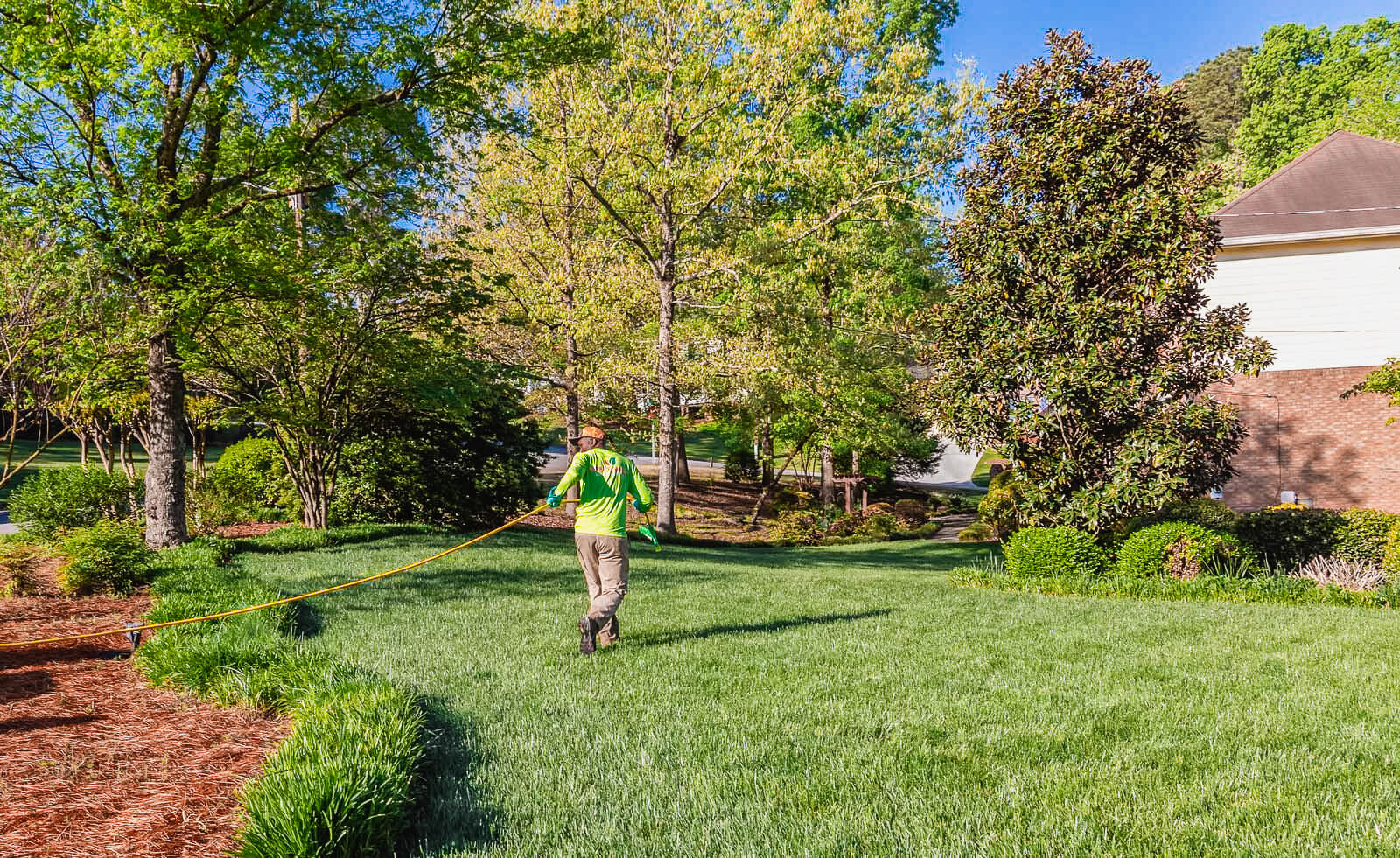
Irrigation, pruning, mulch, construction, and regular landscape maintenance continue between Simply Green visits. Changes in these areas can affect plants already being monitored.
Report yellowing, spots, wilting, webbing, sticky residue, leaf loss, or unusual insect activity. Send a photo and location when possible.
Report broken irrigation zones, drainage problems, and unusually wet or dry areas that may be affecting plant health.
Let Simply Green know about major pruning, construction, new plantings, bed renovations, or other work around plants in the program.
Keep mulch away from trunks and stems to prevent excess moisture from collecting against plant tissue.
Share observation reports and recommendations with the landscape or maintenance team responsible for that part of the property.
Plan the Right Program for the Property
Identify the ornamental trees, shrubs, foundation plantings, entrances, signage areas, model spaces, and shared amenities that are most important to the appearance and use of the property. This helps establish where recurring monitoring matters most.
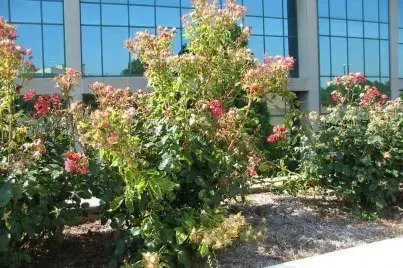
Recurring insects, disease symptoms, summer decline, weak flowering, or repeated stress in the same planting areas can help determine whether a seasonal program is appropriate. Photos, dates, and locations of previous problems are useful when service begins.
Plant decline is not always caused by insects or disease. Broken irrigation, poor drainage, excessive mulch, pruning, construction, root disturbance, heat from pavement, and other site conditions may need separate correction.
Commercial properties often have different teams handling irrigation, pruning, mowing, landscape maintenance, construction, and property operations. Decide who should receive observation reports and who is responsible for acting on recommendations between visits.
Best-Fit Commercial Properties
A recurring plant health care program is a strong fit for commercial properties where ornamental trees and shrubs contribute to curb appeal, resident or guest experience, leasing presentation, or the overall value of the grounds.
Value Beyond a Single Treatment
Seven scheduled visits create repeated opportunities to notice new insect activity, disease symptoms, weak growth, irrigation problems, or seasonal stress before the concern becomes more widespread across the landscape.
Root care, spring prevention, active-season inspections, fall recovery, and dormant treatment are scheduled for different parts of the year. That gives the program a different purpose at different points in the growing cycle.
Entrances, monument signs, leasing offices, storefronts, walkways, pools, courtyards, and other guest- or resident-facing areas can receive recurring attention as plant conditions change.
Observation reports help property managers communicate plant findings to the contractors or internal teams responsible for irrigation, pruning, mulch, maintenance, or other site conditions that may need attention.
Commercial Landscape Experience
Simply Green has served Metro Atlanta properties since 2004. The commercial plant health care program is built around the heat, humidity, rainfall, dry periods, and mild winters that affect Atlanta landscapes.
Seven scheduled visits cover root care, preventive treatment, active-season inspections, targeted treatment, fall recovery, and dormant pest control. Plants are inspected before treatment decisions are made, and observation reports identify other landscape conditions that may need attention.
Reports can be shared with the teams responsible for irrigation, pruning, mulch, mowing, construction, and regular landscape maintenance. This is especially useful on commercial properties where several contractors or teams may be responsible for different parts of the grounds.
Plan the Commercial Service Scope
Commercial landscapes vary in size, plant count, accessibility, and the number of high-value ornamental areas that need seasonal care. Simply Green provides a commercial estimate after reviewing the property and the plant health care scope rather than using one fixed price for every site.
| Estimate Factor | What Is Reviewed |
| Property size and plant inventory | The number and distribution of ornamental trees, shrubs, landscape beds, and treatment zones across the property. |
| Plant condition and current problems | Existing insect activity, disease symptoms, stress, decline, or other concerns that may require closer monitoring. |
| Landscape complexity | Entrances, monument signs, courtyards, pools, model areas, parking edges, and other separated or high-visibility planting areas. |
| Access and operating requirements | Gated areas, tenant or guest schedules, events, maintenance work, and other conditions that affect when service can be completed. |
| Property-team coordination | The reporting and communication needed with property managers, landscape contractors, irrigation teams, or other service providers. |
Complete Commercial Care
Plant health care covers ornamental trees, shrubs, and landscape plants. Simply Green also provides services for turf, soil, and outdoor pest concerns across commercial properties.
Manage seasonal weeds and provide nutrition for commercial turf.
Addresses hard, compacted turf soil that can restrict the movement of water, air, and nutrients.
Treats mosquito breeding and resting areas around commercial landscapes and frequently used outdoor spaces.
Treats existing colonies and provides broader protection against fire ants across suitable turf.
Focuses on shared grounds, shaded areas, landscape edges, and other places where fleas and ticks are likely to remain.
Common Plant Care Questions
Here are answers to common questions about commercial plant health care, seasonal visits, and ongoing landscape maintenance.
Simply Green provides seven seasonal visits for trees, shrubs, and ornamental plants, covering root care, preventive treatment, active-season inspections, targeted treatment, fall recovery, and dormant pest control. Property teams also receive clear recommendations when irrigation, pruning, moisture levels, or other landscape conditions require attention.
For ongoing plant health care across your Atlanta commercial property, call us today or request a commercial estimate online. Simply Green can inspect the landscape, review current plant concerns, and recommend the appropriate seasonal care plan.