
Atlanta Plant Health Guide
Common Georgia Garden Pests
Learn how to recognize insects and other pests damaging your shrubs, flowers, and garden plants, and when a problem needs more than a do- it- yourself solution.
Atlanta Plant Health Guide
Learn how to recognize insects and other pests damaging your shrubs, flowers, and garden plants, and when a problem needs more than a do- it- yourself solution.
Start With the Symptoms
Chewed leaves, sticky residue, webbing, discoloration, and declining branches can point to pest activity. However, similar symptoms may also result from disease, drought, excessive watering, poor soil, or environmental stress. Correct identification should come before treatment. Applying a general- purpose insecticide without knowing the pest may fail to solve the problem and can harm pollinators or beneficial insects that naturally keep pest populations under control.
Use this guide to compare common signs found on Metro Atlanta landscape plants. Inspect both sides of leaves, stems, buds, and the soil around affected plants.
Symptoms provide clues, but finding the pest itself offers the strongest confirmation.
Sap-Feeding Insects
Aphids gather on tender plant growth, causing curled leaves, distortion, honeydew, and sooty mold. Small populations may be rinsed away, while severe or recurring infestations may require targeted treatment.
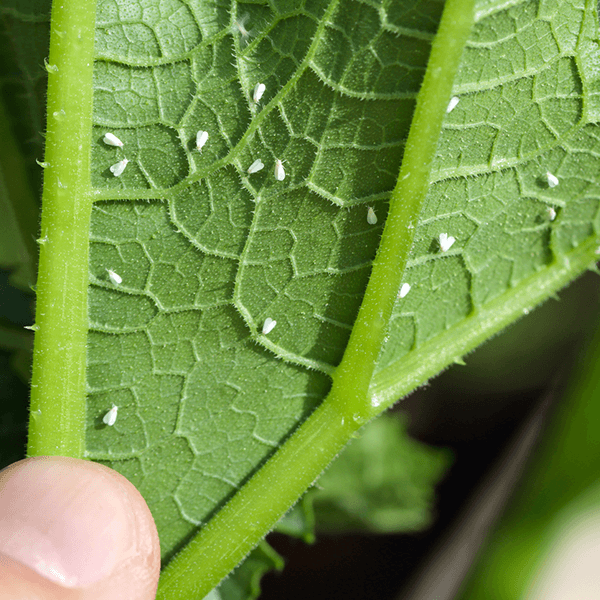
Whiteflies feed beneath leaves and can cause yellowing, pale spots, honeydew, and sooty mold. Removing heavily infested foliage and ensuring thorough treatment coverage can help control rapidly growing populations.
Small Pests, Subtle Damage
Spider mites cause pale stippling, bronzed foliage, yellowing, and fine webbing, especially during hot, dry conditions. Reducing plant stress and confirming mite activity are important before treatment.
Thrips hide inside flowers, buds, and folded leaves, where their feeding causes silvery streaks, distorted growth, and damaged blooms. Remove badly affected growth and treat severe infestations carefully.
Common Ornamental Pests
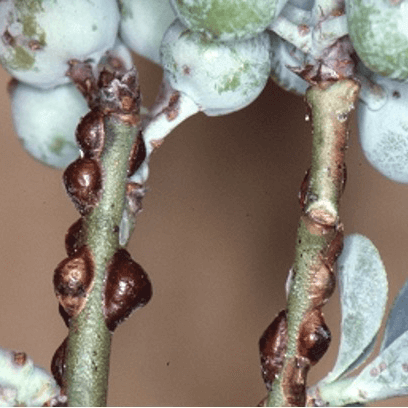
Scale insects resemble small bumps on leaves and branches and may cause yellowing, leaf drop, dieback, honeydew, and sooty mold. Effective control depends on proper identification and treatment during a vulnerable life stage.
Lace bugs feed beneath the leaves of azaleas and other shrubs, leaving pale stippling and a bleached appearance above. Early inspection and treatment can prevent repeated infestations from weakening plants.
Chewing Damage
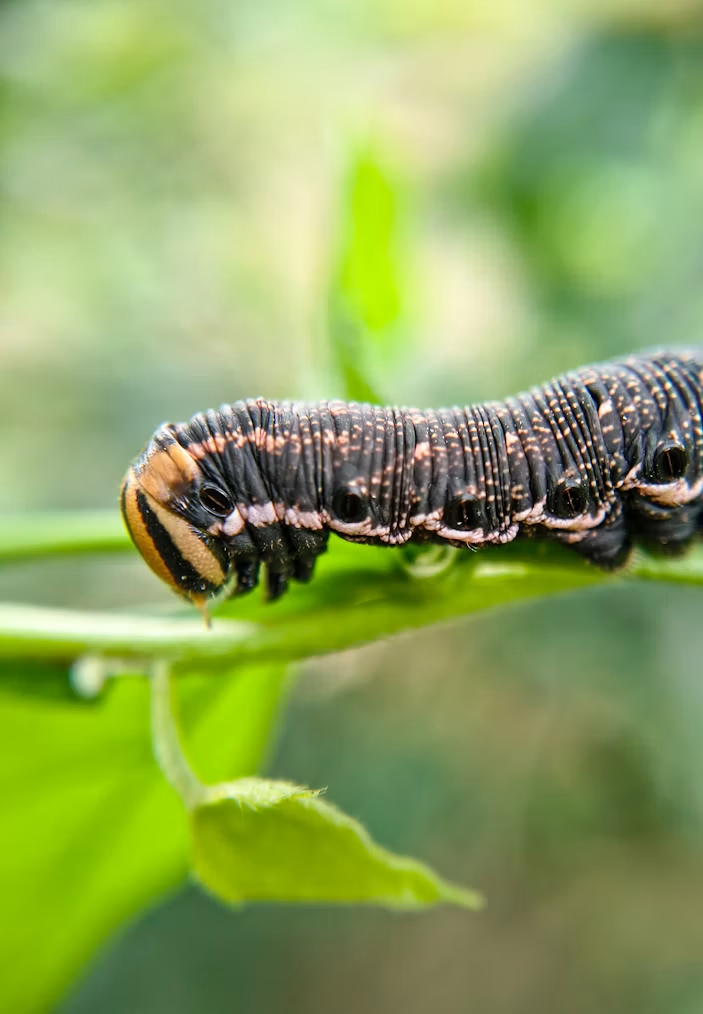
Caterpillars create holes, missing edges, webbed leaves, and visible droppings. Small populations can often be removed by hand, but the species should be identified before choosing a treatment.
Slugs and snails leave irregular holes and shiny slime trails, particularly in damp areas. Reducing moist hiding places, watering early, and using targeted control can help prevent ongoing damage.
Seasonal Leaf Damage
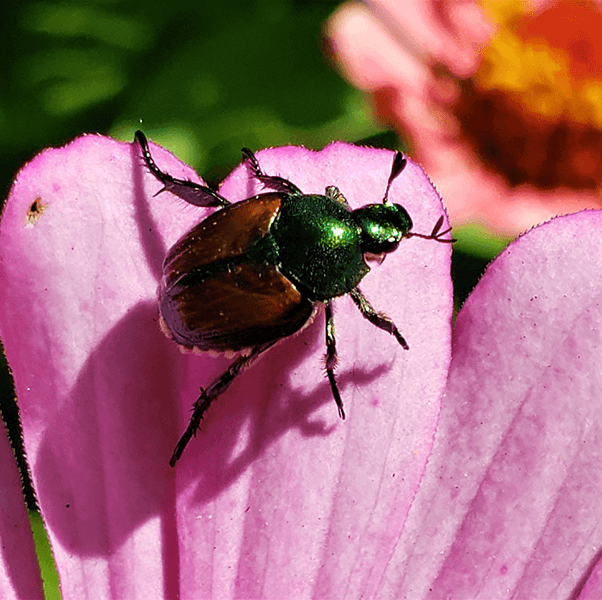
Japanese beetles gather on ornamental and edible plants, leaving foliage skeletonized and lacy. Small populations can be removed by hand, while adult damage and soil- dwelling grubs should be evaluated separately.
Use the Least Disruptive Solution
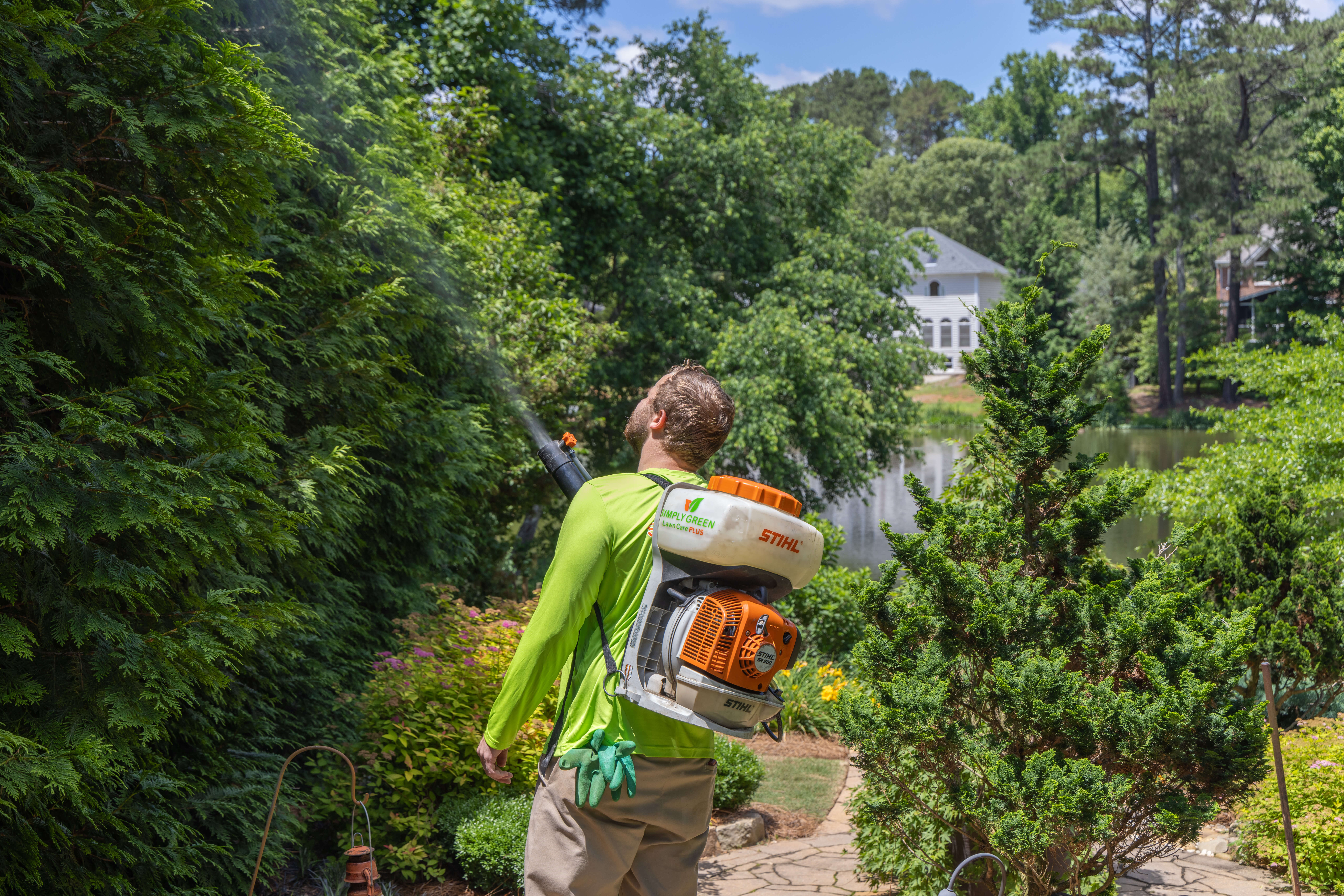
Good pest management is not about eliminating every insect. A healthy landscape contains pollinators, predators, decomposers, and other beneficial organisms.
Use this process:
Never assume that more product will produce better control. Incorrect timing, incomplete coverage, or the wrong pest diagnosis can make treatment ineffective.
Know When to Escalate
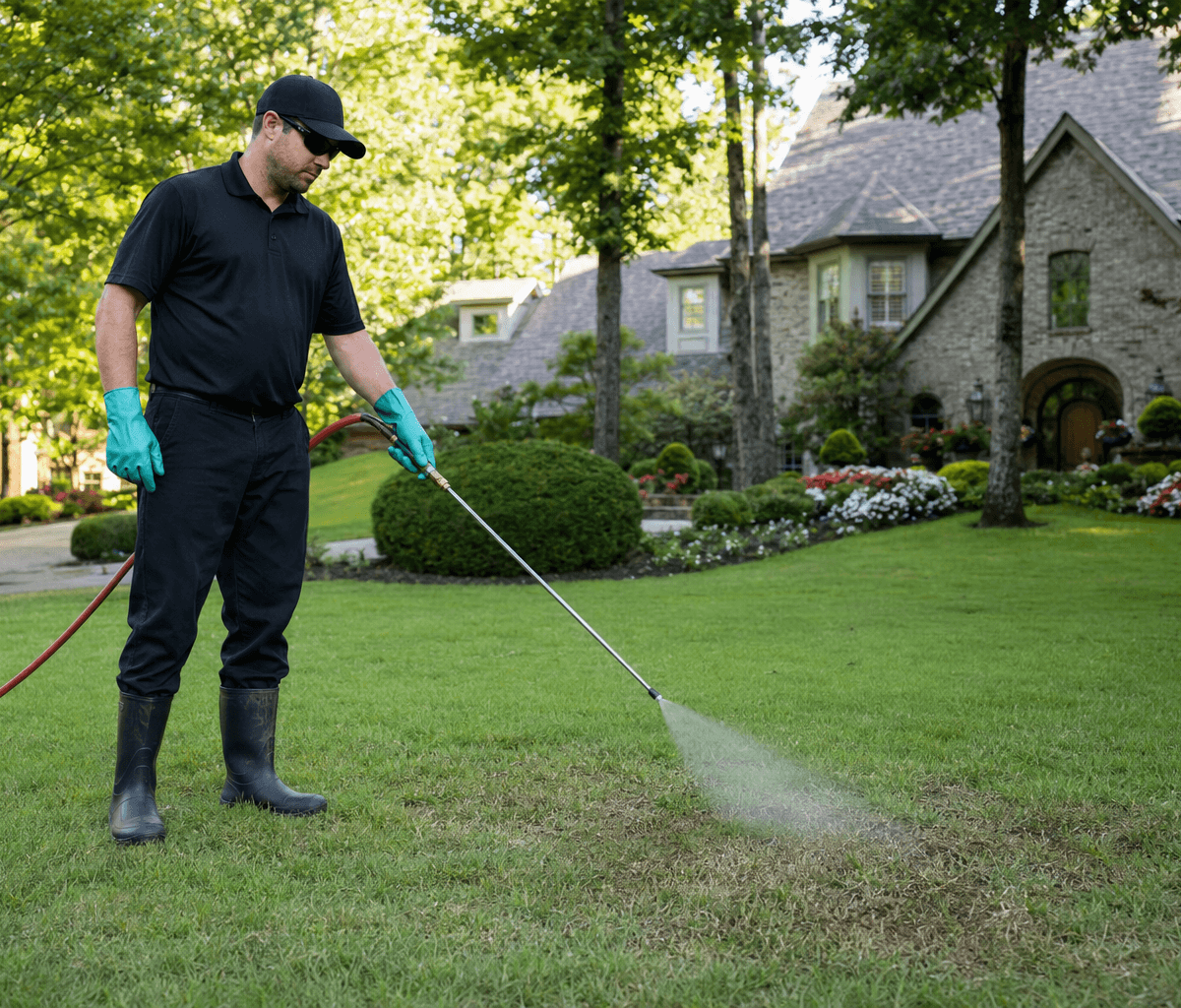
Consider a professional evaluation when:
Take clear photos of the entire plant, damaged areas, and any insects you find. Note when the symptoms began and whether watering, pruning, or treatments recently changed.
Protect Your Landscape
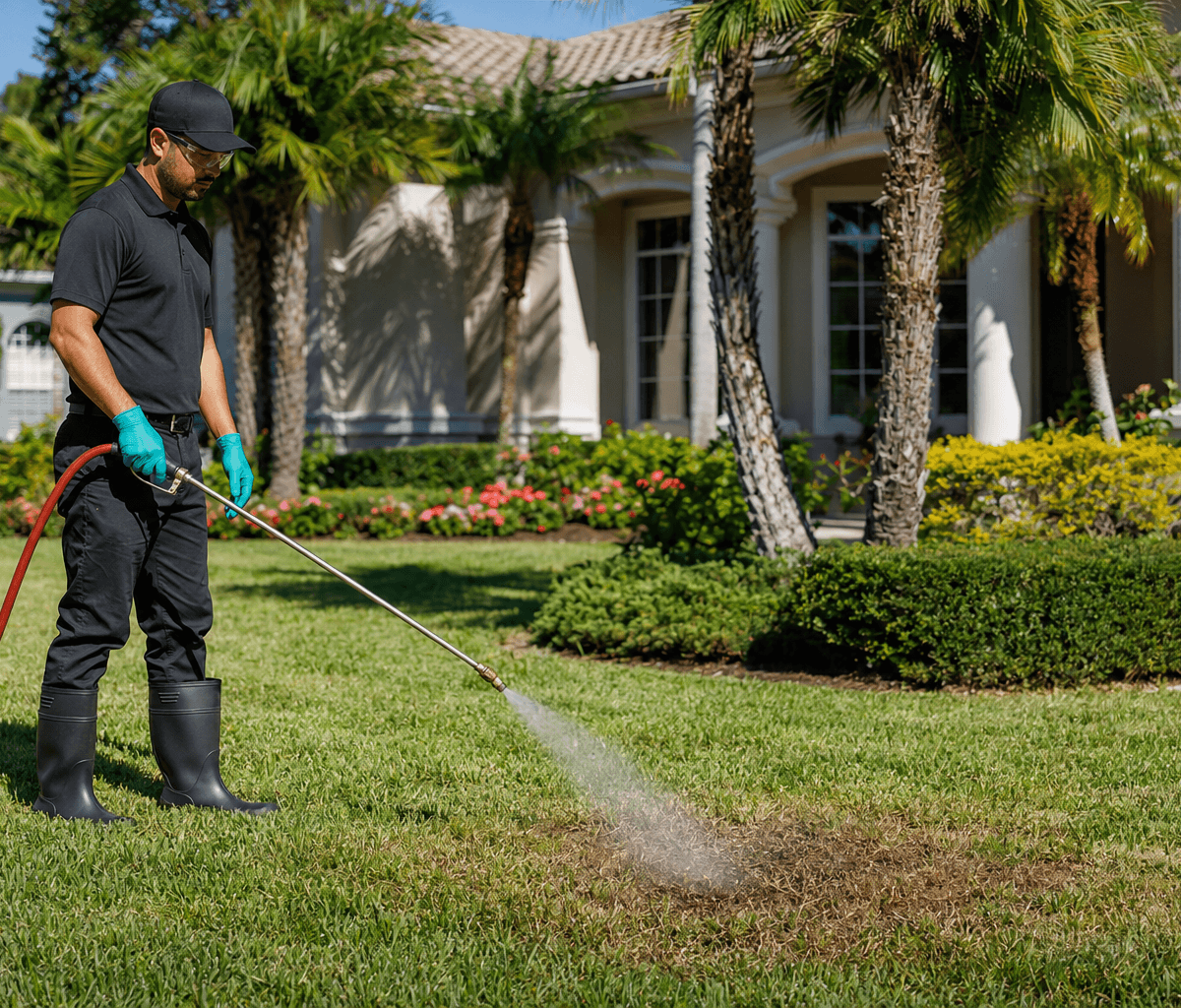
Simply Green’s Plant Health Care service supports eligible shrubs, ornamental plants, and landscape trees throughout Metro Atlanta. We evaluate the plant, visible symptoms, site conditions, and likely pest or disease pressure before recommending treatment.
Not every damaged plant needs an insecticide. Sometimes irrigation, drainage, pruning, or environmental stress is the more important issue. Identifying the cause helps us recommend a more appropriate next step.
For additional pest photographs and identification information, visit the University of Georgia Cooperative Extension Landscape Pest Management guide.