
Metro Atlanta Weed Identification
Common Georgia Lawn Weeds
Use this visual guide to identify grassy weeds, broadleaf weeds, and sedges commonly found in Georgia lawns, and understand why the right control depends on the weed, turf type, and season.
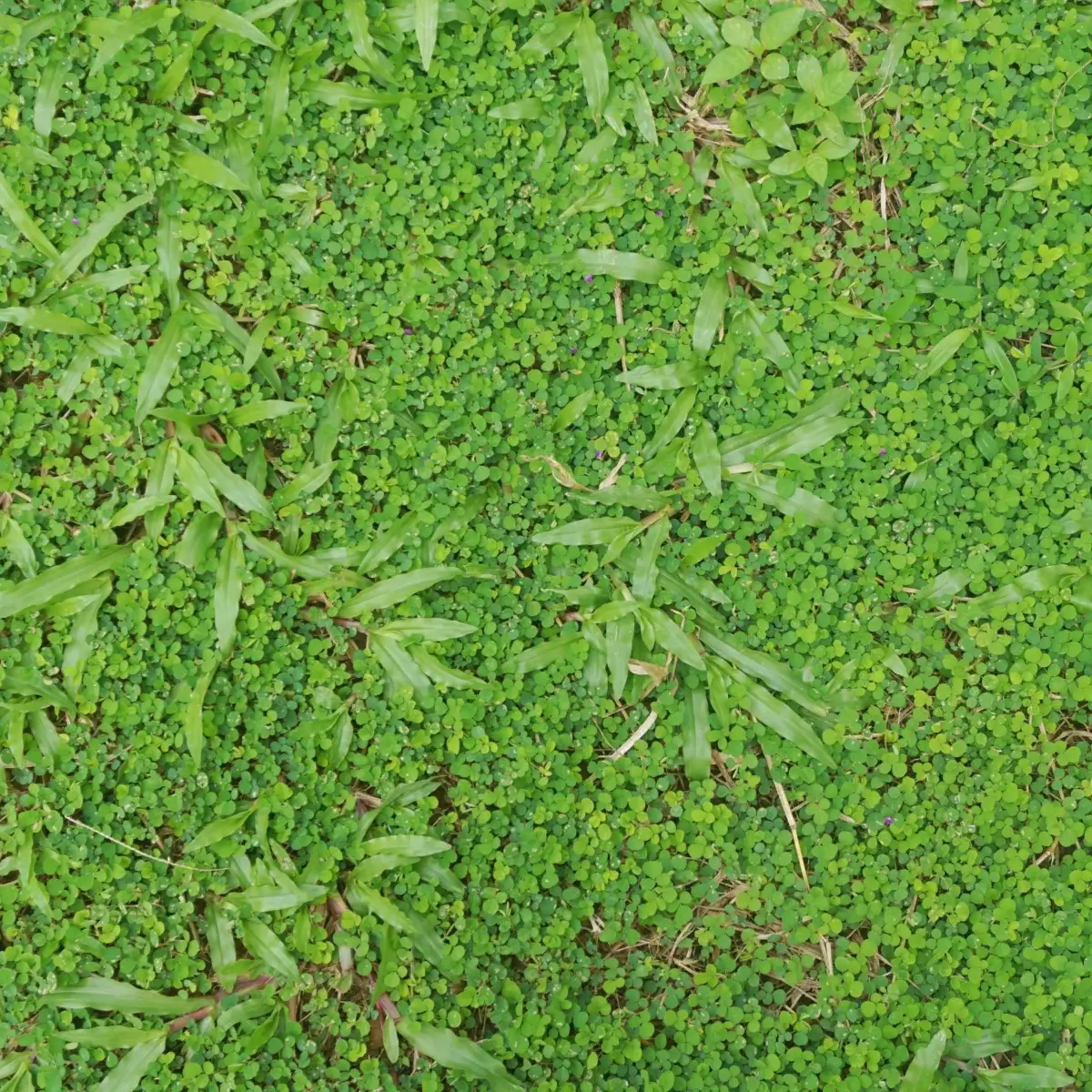
Metro Atlanta Weed Identification
Use this visual guide to identify grassy weeds, broadleaf weeds, and sedges commonly found in Georgia lawns, and understand why the right control depends on the weed, turf type, and season.
Start With Identification
Georgia’s long growing season allows weeds to appear at different times of year. Some germinate in fall and become visible during winter, while others thrive in spring heat, summer rain, compacted soil, or thin turf. Correct identification matters. A product that controls a broadleaf weed may not affect a grassy weed or sedge. The wrong application can also injure Bermuda, Zoysia, or Fescue.
Healthy turf is the first line of defense. Proper mowing, watering, fertilization, and soil management help grass compete for sunlight, moisture, and growing space. Review our lawn maintenance tips or explore professional weed control and fertilization when weeds continue spreading.
Fall Through Spring
A light- green, clumping grass with pale seedheads, even when mowed short. It favors moist, compacted areas and thin turf. Fall pre- emergent timing can reduce germination, but treatment must be coordinated with Fescue seeding. Learn about Poa annua.
A light- green perennial grass that forms dense patches during cool weather. It often struggles when temperatures rise, leaving brown areas behind. Poor drainage and excess moisture favor its spread. Selective control in desirable turf can be difficult.
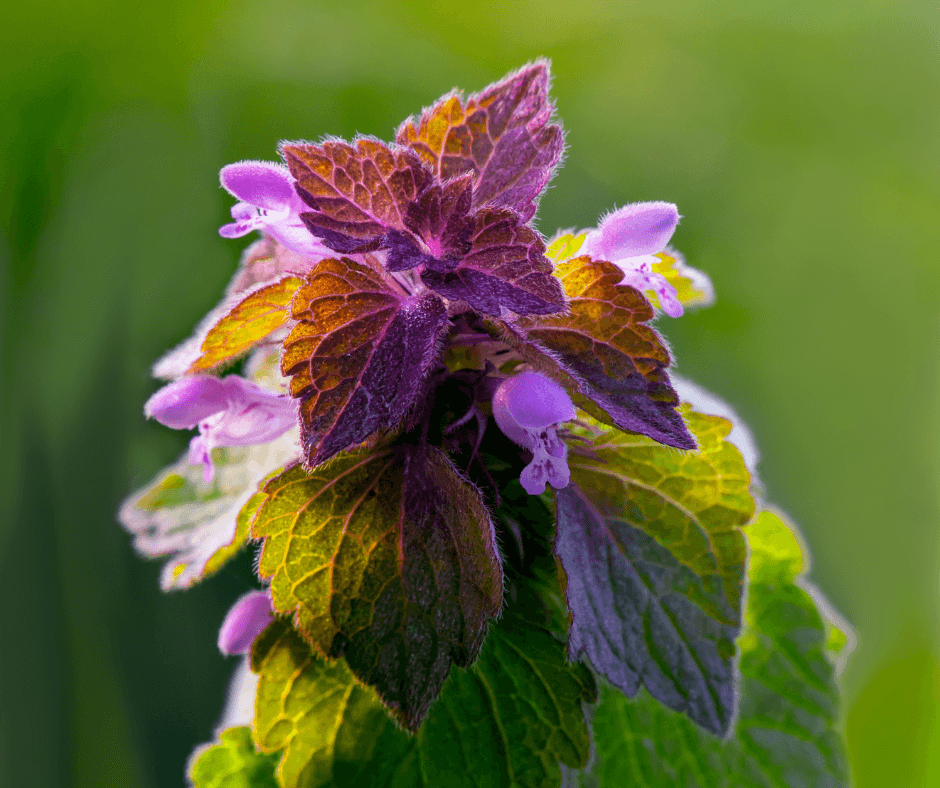
A winter annual broadleaf weed with square, often purplish stems and small purple flowers. It commonly appears in thin lawns during late winter and spring. Fall prevention and treatment while young provide better results. Read the Henbit guide.
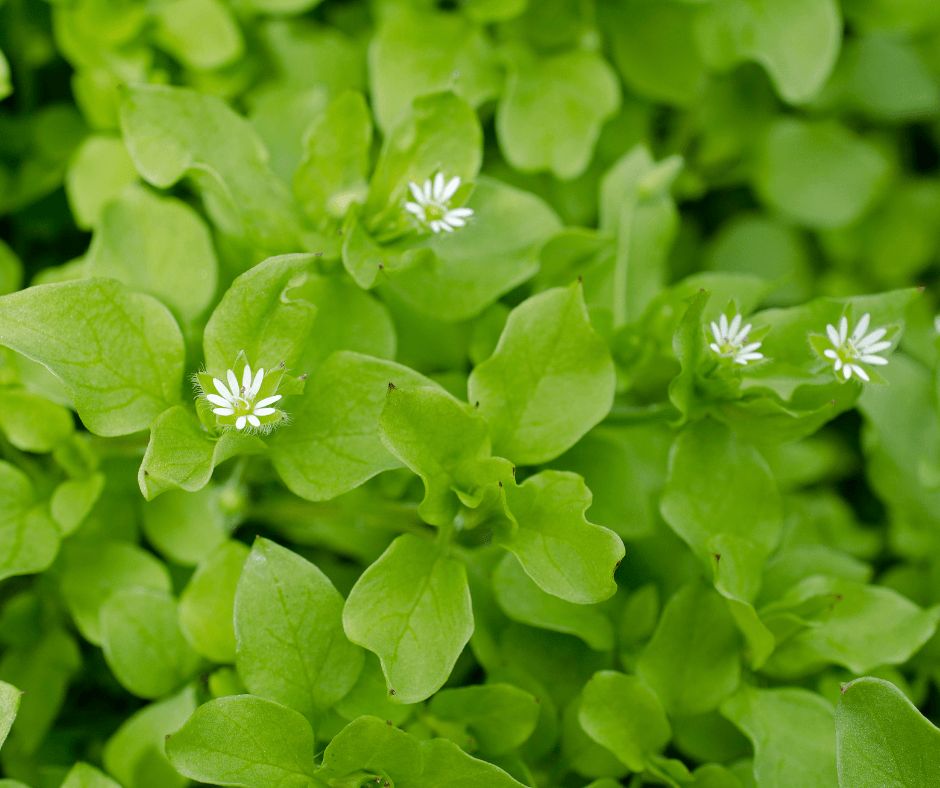
A low- growing winter annual with small oval leaves and white, star- like flowers. Chickweed prefers moist, shaded, or closely mowed areas. Correct excessive watering and treat active growth before it produces more seed.
A small winter annual that forms a basal cluster of leaves and upright stems with white flowers. Mature seedpods can scatter seeds when disturbed, making early identification and treatment useful.
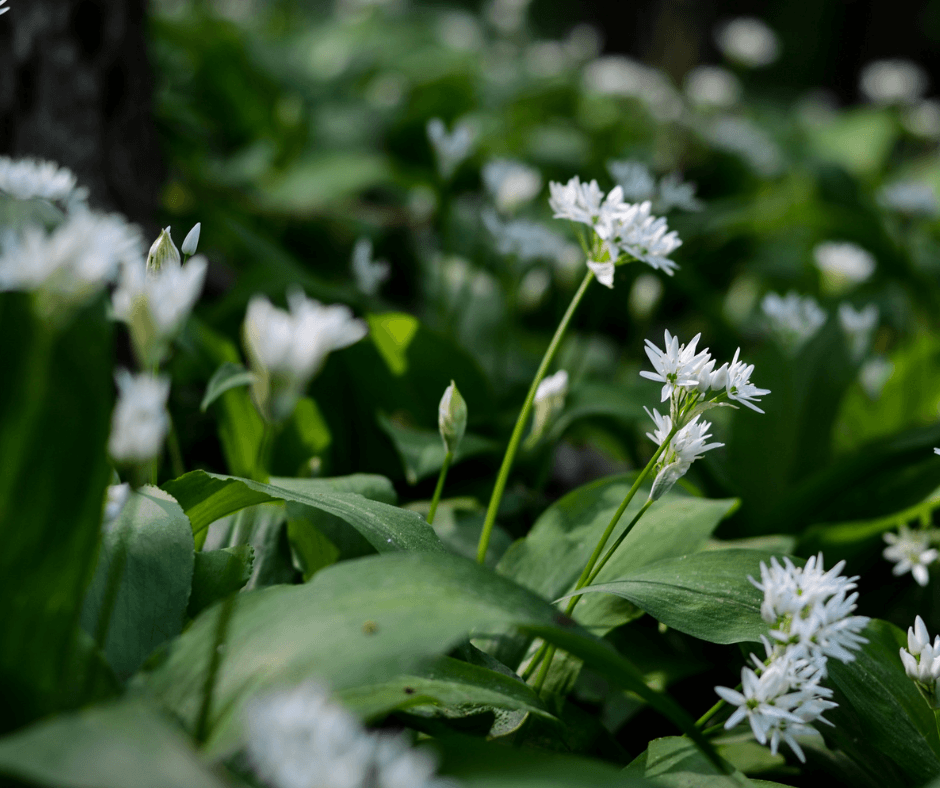
These upright, waxy plants emerge from underground bulbs and produce a strong onion or garlic smell when crushed. Pre- emergent products provide little help. Established plants generally require persistent post- emergent treatment.
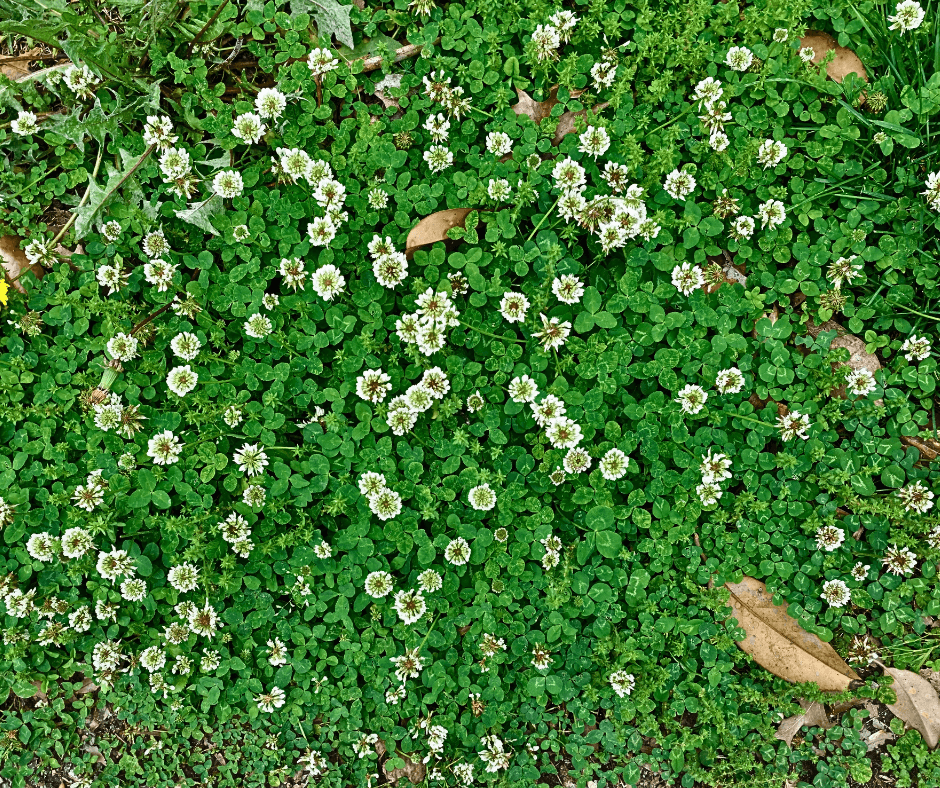
Recognized by three-part leaves and white flower clusters. Clover can spread through thin turf and may indicate that lawn fertility or maintenance needs attention. Actively growing plants can be treated with a turf-compatible broadleaf weed control.
A perennial with deeply divided leaves, yellow flowers, and white seedheads. Its long taproot allows it to return when only the foliage is removed. Effective treatment must control the root as well as the leaves.
A low-growing perennial with broad leaves arranged in a rosette and upright seed stalks. Plantain frequently appears in compacted, heavily used soil. Reducing compaction and improving turf density supports long-term control.
Also called yellow woodsorrel, Oxalis has heart-shaped leaflets and small yellow flowers. It may grow upright or spread through weak turf. Avoid pulling mature plants carelessly because seedpods can scatter seeds.
A low, mat-forming summer annual with small three-part leaves and pink or purple flowers. It tolerates dry, compacted soil and competes aggressively in thin lawns.
A low-growing summer annual that forms a dense mat. Its stems release a milky sap when broken. Spurge establishes quickly in bare soil, along pavement edges, and in heat-stressed turf.
Sometimes called little mimosa because its rows of small leaves resemble a miniature mimosa branch. It germinates later than many summer weeds, so prevention and treatment timing differ from early-season crabgrass programs.
Persistent Lawn Invaders
Virginia Buttonweed: A spreading perennial with thick leaves and small white, star- shaped flowers. It thrives in wet or poorly drained areas and can reproduce from seeds, roots, and stem fragments. Repeated control and improved moisture management are often needed. Read the Virginia Buttonweed guide.
Wild Violet: Wild violets grow in clumps with dark- green, heart- shaped leaves and purple, blue, or white flowers. They often favor shaded, moist lawns and spread through underground structures. Established patches commonly require more than one treatment.
Ground Ivy: A creeping perennial with rounded leaves, square stems, and lavender flowers. Also called creeping Charlie, it spreads through shaded, moist, thin turf. Improving growing conditions for the desired grass is an important part of control.
A spreading perennial with thick leaves and small white, star-shaped flowers. It thrives in wet or poorly drained areas and can reproduce from seeds, roots, and stem fragments. Repeated control and improved moisture management are often needed. Read the Virginia Buttonweed guide.
Wild violets grow in clumps with dark-green, heart-shaped leaves and purple, blue, or white flowers. They often favor shaded, moist lawns and spread through underground structures. Established patches commonly require more than one treatment.
A creeping perennial with rounded leaves, square stems, and lavender flowers. Also called creeping Charlie, it spreads through shaded, moist, thin turf. Improving growing conditions for the desired grass is an important part of control.
Warm- Season Weed Pressure
A summer annual with spreading stems that radiate from the center. It takes advantage of bare or thin areas. Properly timed spring pre- emergent treatment offers the strongest prevention. Young emerged plants may also be treated. Read the Crabgrass guide.
A low, flattened annual grass with a pale or silvery center. It commonly grows in compacted soil and high- traffic areas. Prevention, reduced compaction, and early post- emergent treatment provide the best approach.
A coarse perennial grass that forms expanding clumps. Its leaves have a prominent midrib, and seedheads develop on several branches. Dallisgrass is difficult to remove selectively and often requires repeated or highly targeted treatment.
A spreading summer annual with smooth, grass- like leaves and small purple flowers. It prefers wet soil and is easily confused with turf when young. Improving drainage and avoiding excess irrigation support control.
A fast- growing sedge with glossy leaves and a triangular stem. It often appears in wet or poorly drained soil and quickly grows above the lawn. Pulling can leave underground tubers behind, so a sedge- specific treatment is usually more effective.
Build a Better Defense
A successful weed- control plan combines prevention, treatment, and better growing conditions:
Do not apply the same herbicide to every weed. Product selection, temperature, growth stage, turf type, and recent seeding can all affect safety and performance.
Local Weed Control
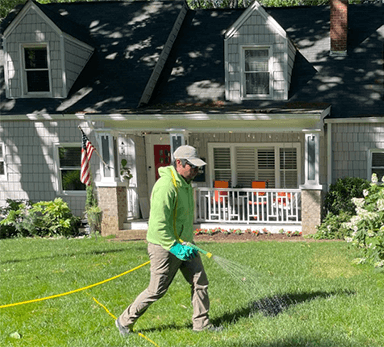
Simply Green provides residential and commercial weed control and fertilization across Metro Atlanta. Our program combines seasonally timed pre- emergent and post- emergent treatments with fertilization selected for the turf and time of year. Some weeds respond quickly. Others, especially Dallisgrass, Virginia Buttonweed, wild violets, nutsedge, and rough bluegrass, may need repeated treatments or changes to the conditions helping them spread.
Send us clear photos or request a property evaluation. Correct identification is the first step toward a more effective plan.
For additional identification and treatment guidance, consult the University of Georgia Extension’s turfgrass weed- control resources. Always read and follow the current product label before applying any herbicide.