
Metro Atlanta Lawn Care Guide
Lawn and Landscape Tips for Georgia Properties
Practical guidance for mowing, watering, feeding, and protecting Bermuda, Zoysia, and Fescue lawns through Metro Atlanta’s changing seasons.
Metro Atlanta Lawn Care Guide
Practical guidance for mowing, watering, feeding, and protecting Bermuda, Zoysia, and Fescue lawns through Metro Atlanta’s changing seasons.
Begin With the Basics
Professional treatments work best when mowing, watering, and everyday maintenance support the grass rather than stress it. Cutting too low, watering too frequently, or fertilizing at the wrong time can weaken turf and create opportunities for weeds, insects, and disease. The right approach depends on your grass type. Bermuda and Zoysia are warm-season grasses that grow actively during late spring and summer. Tall Fescue is a cool-season grass that grows most actively from fall through spring and often struggles during Georgia’s summer heat.
Before making major changes, identify your grass and consider the property’s sunlight, soil, slope, drainage, and irrigation coverage.
Cut Cleanly
Follow the one-third rule:
Never remove more than one- third of the grass blade in one mowing. If the lawn becomes overgrown, lower it gradually across several cuts. Removing too much at once reduces the leaf area needed for photosynthesis and can stress the roots. Mowing frequency should follow growth, not a fixed calendar. Fast- growing turf may need weekly mowing, while dormant or drought- stressed grass may need little or none.
Keep the mower blade sharp:
A sharp blade makes a clean cut. A dull blade tears the grass, leaving frayed or brown tips several days after mowing. Torn blades lose moisture faster and may be more vulnerable to disease. Inspect the grass after mowing. If the tips look shredded rather than cleanly cut, sharpen or replace the blade.
Change mowing direction:
Alternate the direction or pattern each time you mow. This reduces repeated wheel tracks, encourages a more upright lawn, and limits the tendency for grass blades to lean in one direction.
Avoid mowing wet grass:
Wet grass can clump, cut unevenly, and clog the mower. Equipment may also create ruts in soft soil or spread certain lawn diseases. Wait until the blades and soil surface are reasonably dry.
These are practical ranges, not universal settings. Some fine-textured Bermuda and Zoysia cultivars are maintained lower with specialized equipment, while shaded or stressed lawns often benefit from a slightly higher cut.Do not scalp warm-season grass simply because the calendar says spring has arrived. Wait until the lawn is beginning active growth and the risk of damaging cold weather has declined.
| Grass type | General mowing height | Seasonal guidance |
| Bermuda | 1–2 inches | Maintain consistently during active growth. Raise the height slightly during heat or drought stress. |
| Zoysia | 1–2 inches | The ideal height varies by cultivar and mower type. Avoid letting dense turf become excessively tall. |
| Tall Fescue | 2–3 inches | Maintain near the upper end during summer to shade the soil and reduce heat stress. |
Return Useful Nutrients
Clippings can usually remain on the lawn when the grass is dry, regularly mowed, and the clippings are short enough to settle between the blades. They decompose and return nutrients and organic material to the soil. Normal clippings do not create thatch. Thatch consists primarily of slowly decomposing stems, roots, and other plant material.
Bag or remove clippings when:
Blow loose clippings back onto the lawn rather than leaving them in storm drains.
Water According to Need
Established Georgia lawns generally need around one inch of water per week during active growth, including rainfall. Actual demand changes with temperature, grass type, soil, shade, slope, wind, and root depth.
Do not irrigate automatically because a timer is programmed to run. Check the soil and watch for drought stress:
A rain gauge can show how much water the property has already received. If rainfall supplies the lawn’s needs, turn the irrigation system off.
New seed and sod require more frequent watering during establishment and should follow a separate schedule.
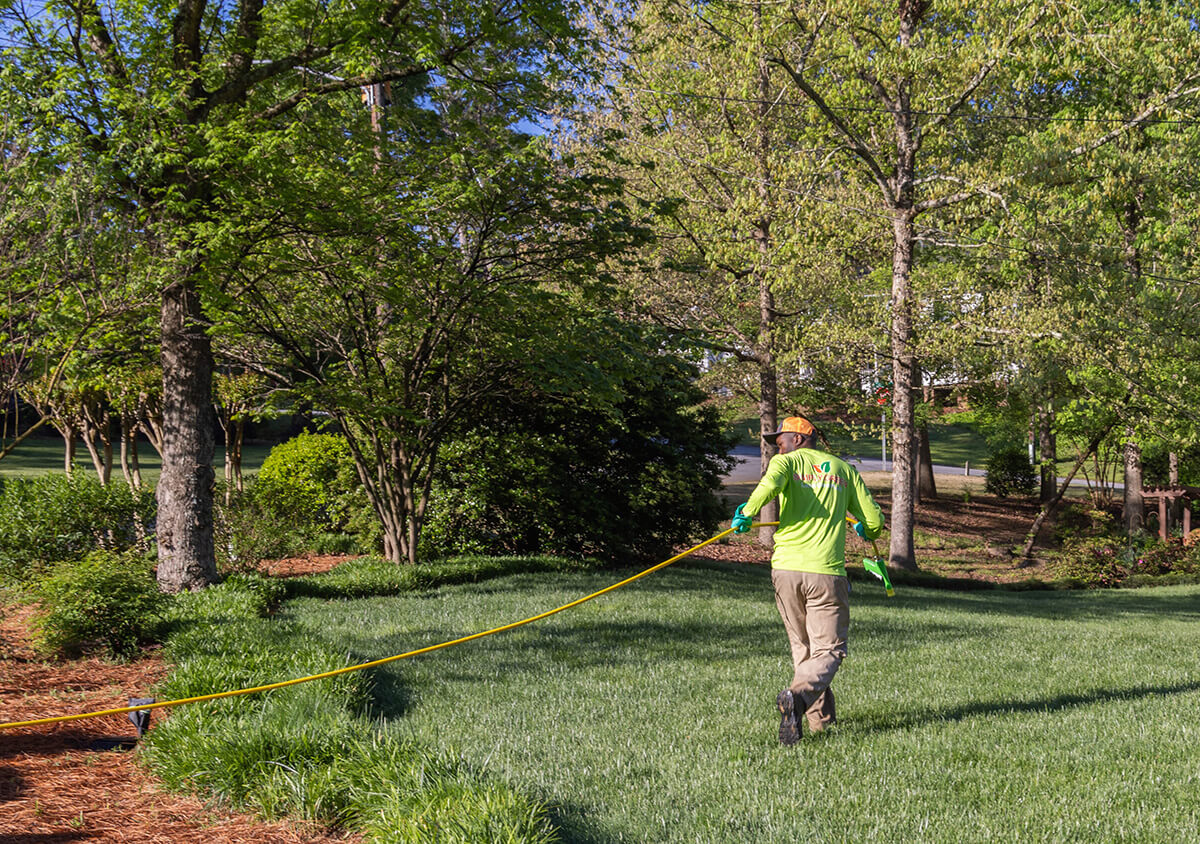
Encourage Stronger Roots
Frequent, shallow watering keeps roots close to the surface and can encourage weeds, disease, and poor drought tolerance. Established lawns generally perform better when water is applied deeply and the soil is allowed to begin drying between irrigation days.
Apply the weekly amount in one or two watering sessions when soil and slope conditions allow. Georgia clay or sloped properties may not absorb the full amount at once. Use a cycle-and-soak approach:
Stop if water begins running into the street, collecting in low areas, or flowing across sidewalks. Runoff does not benefit the roots. The previous recommendation to water on two or three consecutive days and then stop for the week should be removed. Watering days should be based on soil moisture, rainfall, and site conditions.
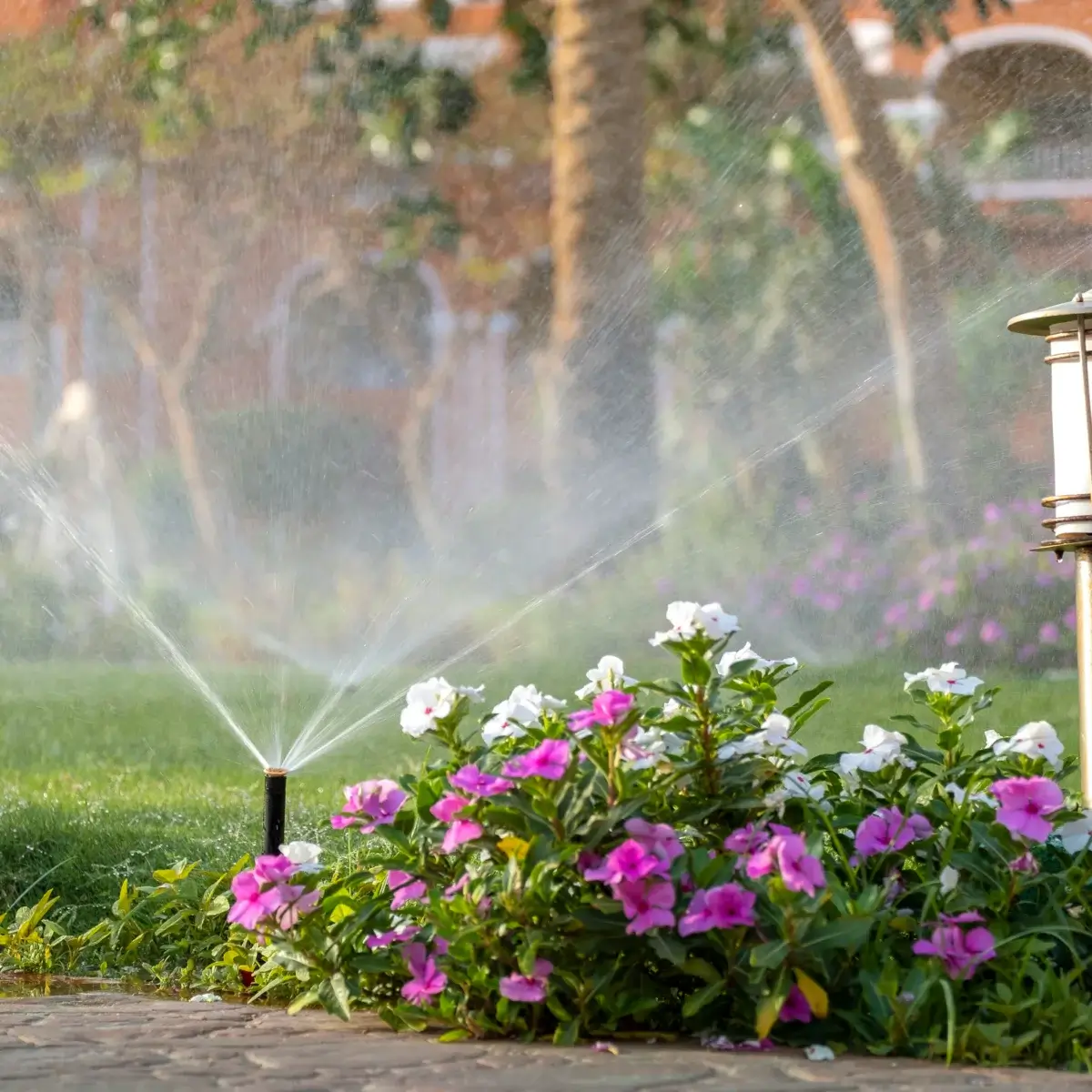
Make Every Drop Count
Early morning is generally the best time to irrigate. Cooler conditions reduce evaporation, and the grass can dry after sunrise. Avoid routine watering during the heat of the day or keeping foliage wet unnecessarily overnight.
Local and statewide outdoor-water rules can change during drought. Check current guidance from the Georgia Environmental Protection Division and your local water provider before setting an irrigation schedule.
Inspect the system while it is running. Look for:
Place several matching containers across a zone to compare output. Uneven amounts indicate that the system may need adjustment.
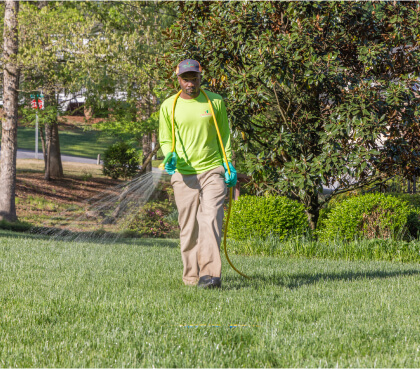
Feed the Grass, Not the Problem
More fertilizer does not always produce a healthier lawn. Excessive or poorly timed nitrogen can create weak growth, increase mowing, worsen disease pressure, and move into waterways. Warm-season grasses should receive most of their nitrogen while actively growing. Tall Fescue should receive its primary feeding during its cool-season growth period rather than during peak summer stress.
A soil test can reveal pH and nutrient conditions before lime or other amendments are applied. Lime should not be added simply because it is commonly used; the need and amount depend on the test and grass type. If the lawn is drought-stressed, diseased, or dormant, correct the underlying condition before pushing new growth with fertilizer.
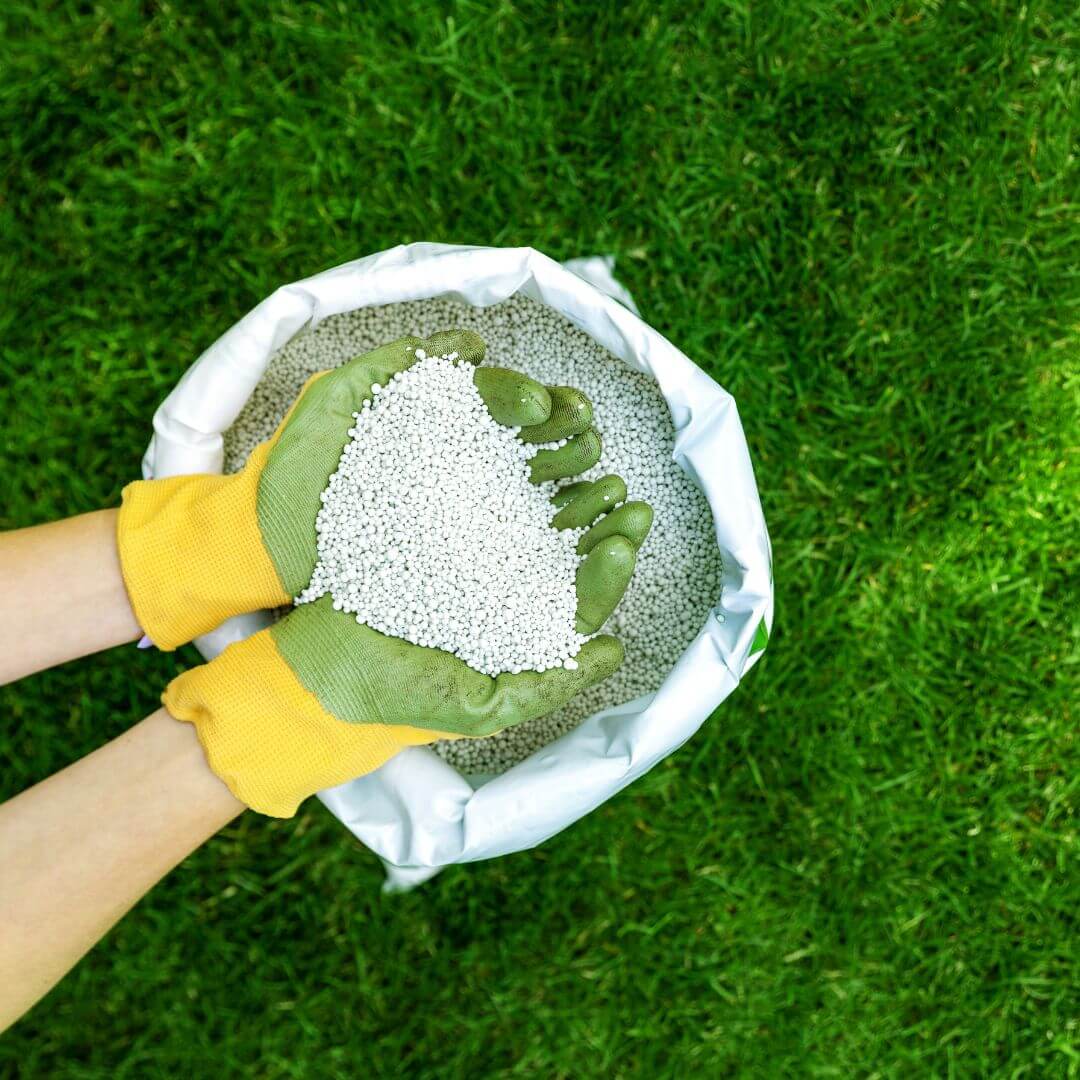
Diagnose Before Treating
Thin or discolored grass can result from:
Look at the shape, location, and rate of change. Sudden damage may indicate insects or irrigation failure, while recurring patches can point to disease, drainage, or site limitations.
Use our visual resources to compare common Georgia weeds, lawn diseases, and turf insects before selecting a treatment.
Beyond the Turf
Trees and shrubs should not automatically follow the lawn’s irrigation schedule. Established landscape plants may need less frequent watering, while newly installed plants need closer monitoring as roots develop. Water near the root zone rather than routinely wetting foliage. Apply mulch to conserve moisture and reduce weed competition, but keep it away from trunks and plant crowns.
Choose plants suited to the property’s sunlight, drainage, and available space. A shade-loving plant placed in intense afternoon sun, or a moisture-sensitive plant in poorly drained clay, will remain stressed even with regular treatments.
Adjust Through the Year
Weather changes from year to year, so use lawn conditions, not the calendar alone, to guide maintenance.
Your Lawn, Our Passion
Simply Green provides weed control and fertilization, liquid aeration, Fescue aeration and seeding, lawn insect control, and other targeted services for Metro Atlanta properties. We consider the grass type, season, soil conditions, maintenance practices, and visible problems before recommending a program.
For additional mowing, irrigation, and seasonal maintenance information, visit the University of Georgia Cooperative Extension and Georgia Turfgrass resources.
Learn More About Georgia Lawn Care